


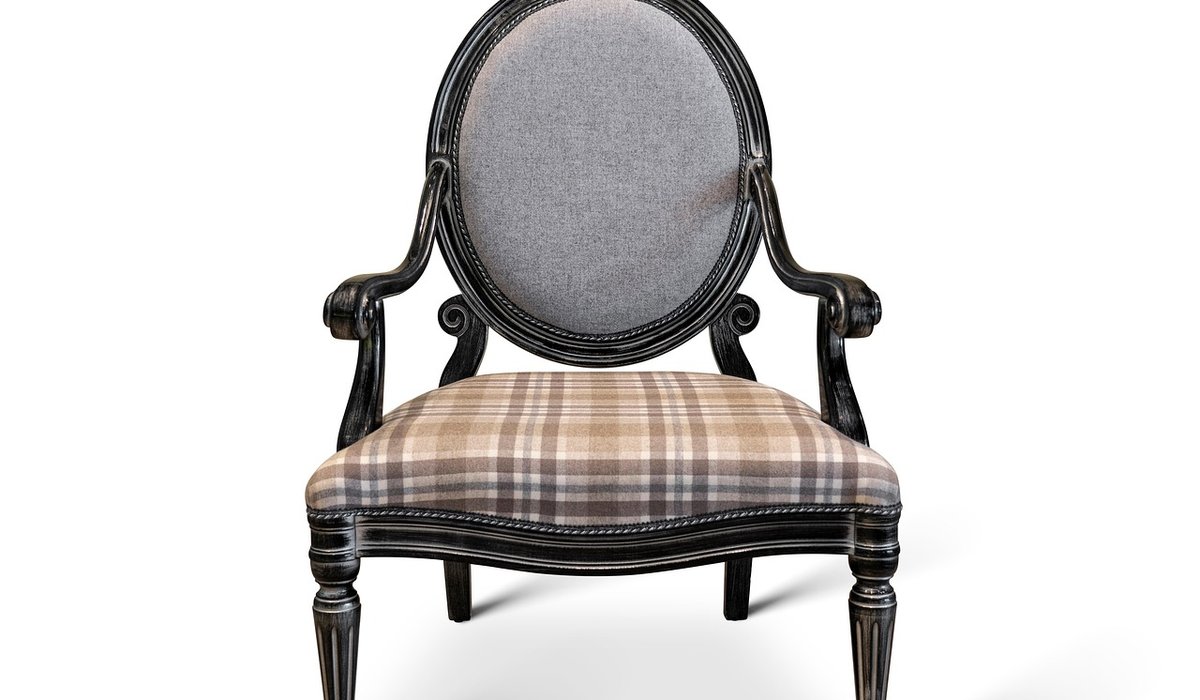
Why Foam Density Matters More Than You Might Think
If you have ever sat on a dining chair that felt wonderfully plush in the shop and disappointingly flat six months later, the culprit was almost certainly the foam inside. Density is the single biggest factor in how a seat cushion behaves over time, yet it is the detail most people overlook when they are choosing replacements. Get it right and your cushions will feel supportive for years. Get it wrong and you will be back at the fabric shop far sooner than you would like.
Density simply describes how much foam is packed into a given volume, measured in kilograms per cubic metre (kg/m³). A denser foam contains more polyurethane and fewer air pockets, which makes it heavier, more resilient and slower to collapse under repeated use. A lighter foam feels lovely and springy on day one but compresses quickly, especially in a chair that gets sat on every single day.
What the Numbers Actually Mean
Foam sold in the UK generally falls into three broad bands, and knowing them makes ordering far simpler.
- Low density (roughly 18–24 kg/m³): Best suited to decorative scatter cushions, bolsters and back cushions that take little weight. It is inexpensive and light, but it will not survive as a seat pad.
- Medium density (roughly 25–35 kg/m³): The dependable all-rounder. Comfortable, reasonably hard-wearing and a sensible choice for most domestic seating.
- High density (roughly 35–50 kg/m³ and above): Firm, durable and designed for frequent use. This is what you want under a sofa that is occupied every evening.
You will also see high-resilience, or HR, foam mentioned. These are premium grades, usually in the upper density range, manufactured to bounce back more readily and hold their shape for longer. For a well-used family sofa, HR foam is worth the extra spend.
Matching Density to the Furniture
The right choice depends entirely on how the seat is used. There is no single best foam, only the best foam for the job.
- Dining chairs: Medium density is the sweet spot. Diners sit for an hour or so at a time and want immediate softness rather than deep support. A medium-density pad around 30 kg/m³, cut to 5 cm thick, will feel generous without turning the chair into a perch.
- Everyday sofas: High density earns its keep here. Choose 35–45 kg/m³ for seat cushions that are sat on daily by adults. It will feel firmer at first, but that firmness is what prevents the dreaded dip in the middle.
- Occasional chairs and window seats: Medium density again, or a medium-to-high blend if the seat is also used for reading and lounging.
- Bench seats and box cushions: High density, because a single long cushion spreads weight unevenly and lighter foams tend to sag at the most-used end.
- Garden furniture and conservatory seating: High density with a dry-fast or wrapped construction, since heat and moisture accelerate foam breakdown.
Density Is Not the Same as Firmness
This is the misunderstanding that trips up most people. Density tells you how long the foam will last. Firmness tells you how it feels under your hand. They are separate qualities, and confusing them leads to the wrong purchase.
You can buy a high-density foam that is soft to sit on, and a low-density foam that feels rock hard. Firmness is controlled during manufacture and is often described using a grade or a simple soft, medium or firm label. So decide your firmness by comfort preference, then choose the density according to how much punishment the cushion will take. A soft-topped high-density foam, sometimes called a comfort grade, gives you the best of both: a gentle initial feel with real support underneath.
Getting the Details Right When You Order
Measure your existing cushion covers rather than the foam, and add a little for compression. As a rule, cut the foam 1–2 cm larger than the cover's internal dimensions in each direction so it fills the fabric properly without bulging. Thickness matters too: 5 cm suits dining chairs, while 10–15 cm is typical for sofa seat cushions.
Ask about the foam's grade and density before you buy, and do not be shy about requesting a sample. A small offcut tells you more about firmness than any description. If you are replacing only some cushions, match the density of the originals where you can, so the seating feels consistent across the suite.
Finally, consider a wrapped cushion — foam core with a layer of polyester fibre or memory foam around it — if you want that soft, hotel-style crown. Just remember the core still needs decent density to do the real work.
Making Your Cushions Last
Even the best foam benefits from a little care. Rotate and flip seat cushions weekly so wear is spread evenly, and plump them by hand rather than sitting down hard on one spot. Keep seating out of direct sunlight where possible, as UV speeds up the breakdown of polyurethane. Vacuum the covers regularly, and address any spills promptly so moisture does not reach the foam.
With medium density in your dining chairs and high density in your everyday sofa, you will notice the difference within a week — and still be noticing it several years from now. It is one of the simplest upgrades you can make to a room, and one of the most rewarding.


Leave a reply